Skip to content
Introduction: Why Energy Flow and Mobility Matter
We move through life on two levels: the visible — walking, typing, lifting — and the invisible — the habits, tensions, and tiny restrictions that shape how easily we move. When energy flows freely and joints glide as they should, daily tasks feel effortless. When something is stuck — a tight hip, a stressed neck, an exhausted mind — movement becomes effort. That’s where thai therapy massage Crystal Palace and practices like it step in: they’re not magic, but they are a practical, time-tested way to restore fluidity to body and mind.
This article explains, in plain language, how Thai therapy massage supports energy flow and improves mobility. You’ll learn the mechanisms behind the effects, what to expect in a session, how to reinforce gains at home, and how to tell if the work is helping. References to Elysia Wellness explain how a responsible wellness provider applies these ideas, without pushing you to buy anything.
What Is Thai Therapy Massage?
Origins and Philosophy
Thai therapy massage is an ancient bodywork system that blends stretching, rhythmical pressure, and movement. It has roots in Southeast Asian healing traditions and borrows ideas from Ayurveda, yoga, and traditional Thai medicine. Instead of working only on isolated muscles, the method treats the body as a connected system — moving limbs into passive yoga-like stretches while applying deep, steady pressure along energy pathways.
Core Techniques Involved
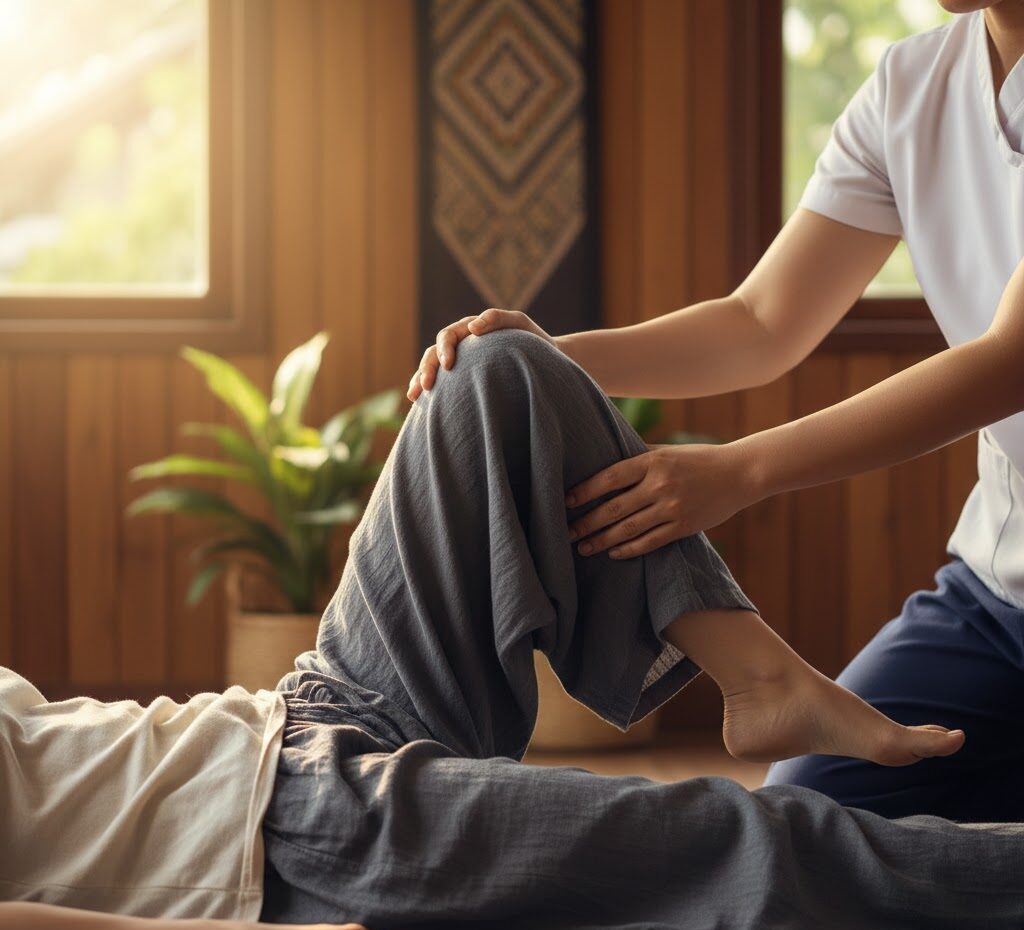
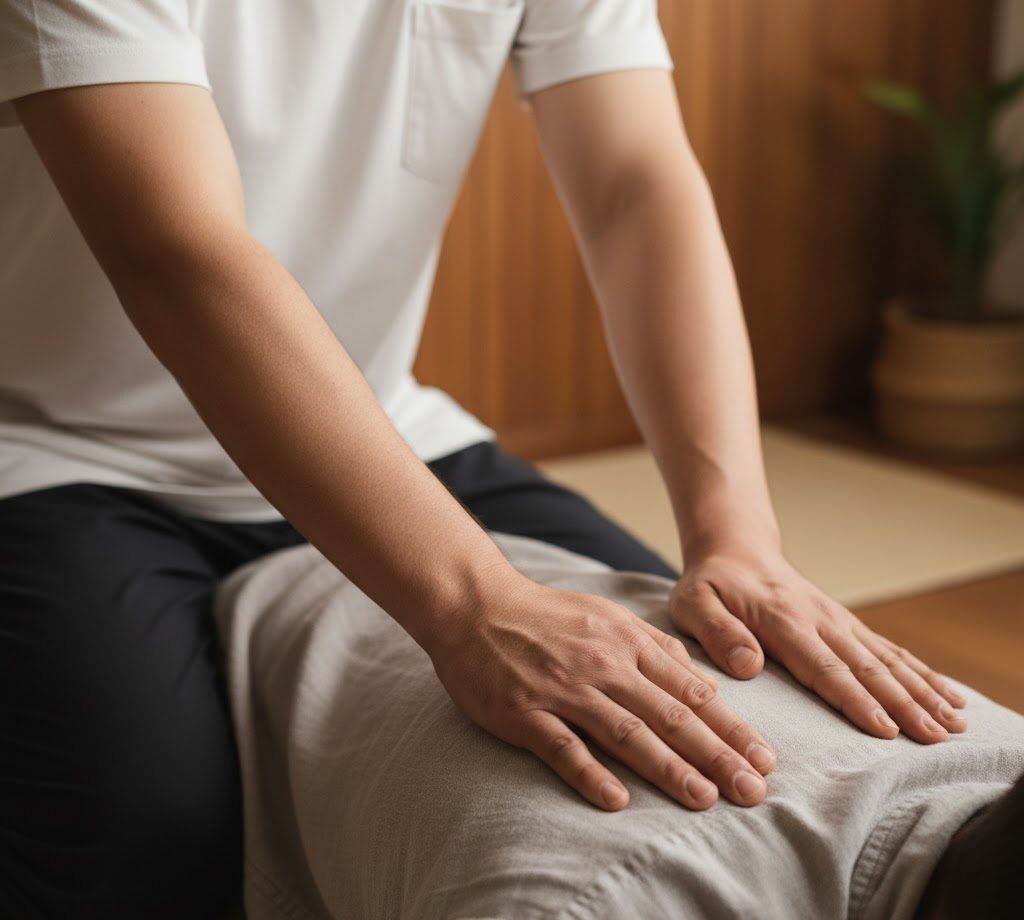
A typical Thai therapy session uses three core tools: compression (firm pressure applied with palms, thumbs, or elbows), assisted stretching (therapist-guided lengthening of muscles and joints), and rhythmic rocking or mobilization. The therapist and client work together: the client remains clothed in comfortable attire, and the therapist uses their body weight rather than oil-based gliding strokes.
Understanding Energy Flow: The Concept of Sen Lines
Thai healing traditions speak of “sen” — subtle lines of energy that run through the body. Think of sen as pathways along which the body’s vitality or ease moves. When sen are open, movements feel light and coordinated; when sen are blocked, stiffness, pain, and fatigue can follow.
Sen Lines vs. Meridians: Similarities and Differences
If you’re familiar with Chinese meridians, sen lines will feel familiar. Both systems map invisible pathways that link distant areas. However, sen lines tend to be more movement-oriented and are often described in relation to breath and physical stretching. They’re practical: therapists test stretches and pressures along these lines and alter their techniques depending on how the client responds.
How Energy Blockages Show Up in the Body?
Energy blockages rarely announce themselves as “a sen issue.” Instead, you notice patterns: a shoulder that tightens whenever you type, a hip that resists bending in the morning, or a sense of sluggishness after long commutes. These are local symptoms of broader patterns — like traffic jams on a highway: one small disruption backs up flow across the system.
How Thai Therapy Massage Works to Restore Flow?
At its heart, Thai therapy massage uses physical input to reestablish ease. That input is not random; it’s a sequence of targeted stretches, pressure, and guided movement.
Compression, Stretching, and Joint Mobilization
Compression releases tight muscle fibers and encourages circulation. Assisted stretches progressively lengthen shortened tissues and train the nervous system to accept new ranges of motion. Joint mobilizations — gentle rocking and careful rotations — encourage synovial fluid movement, which nourishes cartilage and reduces stiffness.
Rhythm and Breathing: The Therapist’s Role
A skilled therapist uses a steady rhythm to guide the body into relaxation. Rhythmic pressure paired with slowed breathing signals the nervous system that it’s safe to let go. When the client inhales and the therapist applies gentle lengthening, the body learns to accept a greater range on the exhale. Over repeated sessions, these small adaptations add up.
Physiological Effects That Improve Mobility
How does the body physically change after Thai therapy massage? Several measurable processes take place.
Muscle Relaxation and Tension Release
Sustained pressure and passive stretching decrease the tone of overactive muscles. That relieves “guarding” — when muscles tighten to protect a sore area — and allows antagonistic muscles to function better. The relief is both mechanical (tissues lengthen) and neurological (the brain lowers the locked-in tension).
Improved Range of Motion and Joint Lubrication
Stretching moves joint surfaces and encourages the distribution of synovial fluid. That fluid acts like oil for your joints, making movements smoother. When muscles around a joint stop gripping so tightly, the joint can glide through a fuller, less painful arc.
Short-term vs. Long-term Mobility Gains
Expect short-term gains after a single session: less stiffness, easier bending, smoother gait. Long-term improvements require repetition and reinforcement — regular sessions plus home practices that keep tissues flexible and the nervous system comfortable with new ranges.
Neurological and Nervous System Benefits
Thai therapy doesn’t only reshape tissues; it changes how the nervous system perceives the body.
How Touch Modulates Pain Signals
Deep, well-paced touch can alter pain processing. When a therapist applies steady pressure, it can stimulate mechanoreceptors that “drown out” pain signals or change how the brain interprets sensation. That’s why a painful area may feel soothed during and after a session — the nervous system is recalibrated.
Parasympathetic Activation and Stress Reduction
Gentle, rhythmic therapy promotes parasympathetic activity — the “rest and digest” branch of the nervous system. Reduced heart rate and calmer breathing follow, which lowers cortisol (a stress hormone) and reduces overall muscular tension. With less stress, the body can invest more energy into repair and mobility.
Breath, Movement, and Mindfulness in Thai Therapy
Thai therapy often invites coordinated breathing and gentle movement. This is not fluff; it’s a functional way to train the brain-body connection.
Client Participation: When to Breathe and Move
Therapists will cue breathing patterns during stretches. A deep inhalation prepares the tissues; a slow exhale helps them release. Clients who sync breath with movement typically experience deeper relaxation and safer increases in range.
Why Mindful Movement Matters for Everyday Function?
Mindfulness translates to better body awareness. If you know the sensation of a deep hip stretch, you’re less likely to overstep boundaries in daily life. That awareness reduces compensatory patterns (like leaning to one side) that otherwise limit mobility.
Common Conditions That Benefit from Thai Therapy Massage
Thai therapy is not a cure-all, but it’s highly effective at addressing common movement-related complaints.
Lower Back Pain and Sciatica
By combining hip stretches, lumbar mobilizations, and neural gliding, Thai therapy can reduce pressure on the lower back and improve pelvic mobility, often easing sciatic-type symptoms.
Neck and Shoulder Stiffness from Desk Work
Long hours at a desk shorten chest muscles and overwork neck extensors. Gentle thoracic mobilization and shoulder stretches help open the front body and soothe overactive neck muscles.
Post-Exercise Stiffness and Overuse Issues
After intense training, tissues stiffen. Thai therapy assists recovery by promoting blood flow, breaking up adhesions, and restoring functional length to muscles — helping you move better in the next workout.
How to Prepare for a Thai Therapy Session
A little preparation helps you and your therapist get more from a session.
Clothing, Hydration, and Expectations
Wear loose, breathable clothing that allows stretching — think yoga pants or tracksuit trousers and a comfortable top. Hydrate before and after. Go in with a clear but relaxed goal: “I’d like my hips to feel looser,” rather than “fix my back,” which can set unrealistic expectations.
Health Considerations and When to Modify
If you have recent fractures, deep vein thrombosis, active infections, or certain cardiovascular conditions, deep techniques may be contraindicated. Communicate medications, recent surgeries, and pregnancy status. A trained therapist will modify pressure and positions accordingly.
Integrating Thai Therapy into a Daily Mobility Routine
Thai therapy is most powerful when combined with simple daily habits.
Simple At-Home Practices to Reinforce Sessions
Try these short routines:
- Morning spinal cat–cow mobilization (1–2 minutes).
- Hip hinge with gentle hamstring stretch (2–3 breaths per side).
- Deep diaphragmatic breathing for 2 minutes before bed.
These are low-effort, high-impact practices that reinforce the changes achieved during sessions.
Frequency and Timing for Best Results
For acute stiffness, two sessions per week for several weeks often creates momentum. For ongoing maintenance, monthly sessions plus daily mini-routines are usually enough. If you’ve had chronic restrictions for years, progress will be gradual — patience is part of the plan.
Measuring Progress: Signs That Energy Flow Is Improving
How do you know Thai therapy is working? Watch for objective and subjective signals.
Objective Markers and Subjective Feelings
Objective markers include increased range of motion (e.g., being able to bend further), improved posture, and easier gait. Subjective signs are feeling lighter, sleeping better, less waking stiffness, or being able to complete daily tasks with less effort.
Tracking Mobility: Small Wins to Watch For
Small wins matter: tying shoes without a pause, reaching the top shelf without shrugging, or walking up stairs with less breathlessness. Note them down; they’re proof of progress.
Safety, Contraindications, and Professional Standards
Thai therapy is generally safe, but professionalism is key.
When to Avoid Deep Techniques
Avoid deep pressure over varicose veins, open wounds, or inflamed joints. If you’re on blood thinners or have osteoporosis, techniques should be gentle and carefully adapted.
Licensing, Training, and Therapist Communication
Seek therapists who train in Thai therapy’s full-body approach and who understand anatomy. Good therapists explain their approach, check in during the session, and adjust pressure. Communication prevents misunderstandings and reduces risk.
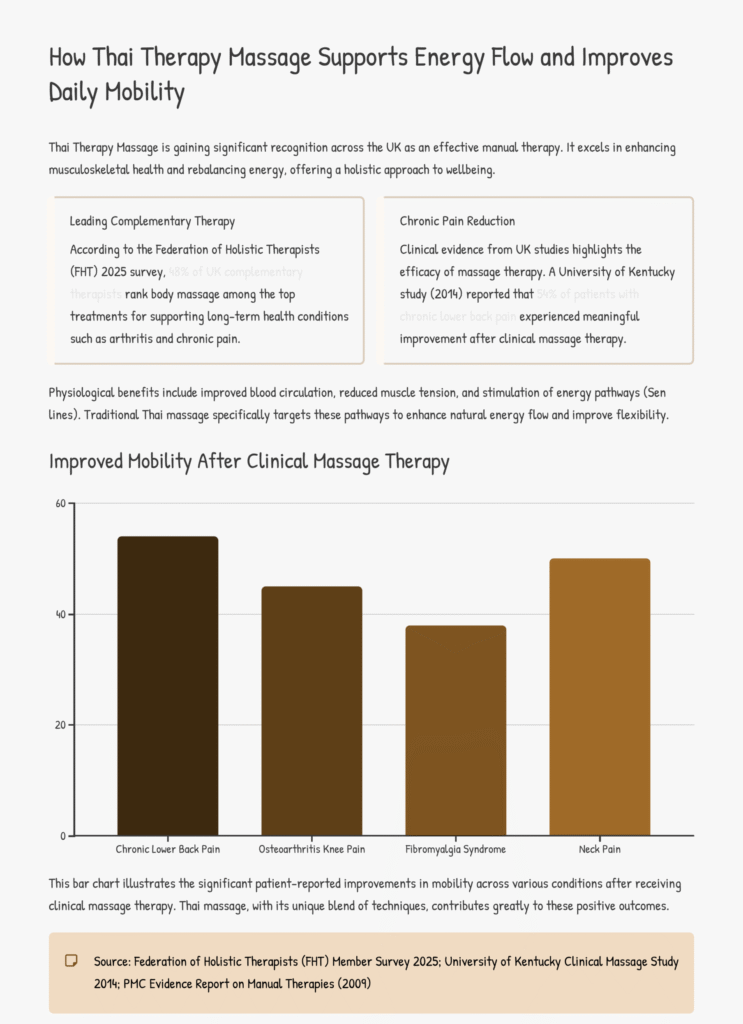
How Elysia Wellness Applies These Principles (informational, non-promotional)
Elysia Wellness, as an example of a care-minded provider, approaches Thai therapy by focusing on assessment and client education rather than just one-off treatments. They use intake conversations to identify movement patterns, offer tailored sequences of stretches and mobilizations, and recommend simple at-home practices to reinforce session gains. The aim is to create lasting mobility improvements while respecting each client’s unique health profile.
Approach to Assessment and Tailoring Sessions
An assessment typically includes a movement screen and discussion of daily habits. From there, sessions are adapted: a client with desk-related neck tension will receive different priorities than an active runner with tight hamstrings. This targeted approach helps preserve energy flow where it’s most needed.
Client Education and Follow-up Practices
Education is a major part of sustainable change. Providers like Elysia Wellness teach clients short routines and breathing techniques to do between sessions. These small habits help lock in the benefits and reduce the frequency needed for maintenance.
Elysia Wellness Serving the Anerley Community and Beyond in Crystal Palace
Elysia Wellness is committed to supporting the well-being of individuals throughout the Crystal Palace area, including those living in nearby neighbourhoods such as Anerley. Its location near familiar local landmarks — including the Palace Open Square Space and major routes like Fox Hill and the crossing near Belvedere Rd — makes access straightforward for residents navigating daily routines or seeking relief from movement-related tension.
In this community setting, Elysia Wellness offers Thai Therapy Massage as part of a broader, education-focused approach to mobility and energy flow. Rather than emphasizing quick fixes, the focus is on helping clients understand their movement patterns, explore therapeutic stretching and pressure techniques, and integrate simple practices that support long-term ease and function. This grounded, neighborhood-based setting allows Thai therapy principles to be applied in a practical, accessible way for those in Anerley, Crystal Palace, and surrounding areas.
Navigate from Anerley to Elysia Wellness Now
To help local residents navigate easily, the map below shows the route between Anerley and Elysia Wellness in Crystal Palace. The clinic sits close to key neighbourhood landmarks and transport routes, making it accessible for those travelling from nearby areas.
If you are based in or around Anerley and have questions about Thai Therapy Massage, movement support, or session suitability, you can reach Elysia Wellness for further information:
📞 +44 20 3916 6787
📧 admin@elysiawellness4me.com
Conclusion
Thai therapy massage is a practical, embodied way to restore energy flow and improve daily mobility. By combining compression, assisted stretching, and mindful movement, it changes tissues and retrains the nervous system. The results are often immediate — less stiffness, easier movement — and cumulative when paired with simple daily practices. Whether you’re managing desk-related tension, recovering from workouts, or chasing greater ease in everyday life, Thai therapy offers tools that go beyond symptom masking and toward structural and neurological change. Thoughtful assessment, clear communication, and consistent reinforcement are the keys to turning short-term relief into lasting mobility.
FAQs
Q1: How soon can I expect to feel improvements after a Thai therapy session?
Most people notice some changes immediately — reduced stiffness, easier breathing, or a lighter sensation. For deeper, lasting improvements, plan for a series of sessions combined with home mobility routines over several weeks.
Q2: Can Thai therapy massage help with chronic mobility issues like long-term hip stiffness?
Yes. Thai therapy’s combination of long-held stretches and joint mobilizations can gradually increase hip flexibility. Results depend on consistency, the cause of the stiffness, and accompanying home practices to reinforce gains.
Q3: Is Thai therapy massage painful?
It should not be needlessly painful. You may experience discomfort as tight tissues release, but a skilled therapist will modulate pressure, use breathing cues, and check in frequently. Always communicate if something feels too intense.
Q4: How does breath work during Thai therapy help improve mobility?
Coordinated breathing reduces muscular guarding and signals the nervous system to relax. When breath is integrated with assisted stretches, tissues accept a larger range of motion more safely and comfortably.