Skip to content
Starting something new can be exciting and a little nerve-wracking. Your first Thai massage is no different. If you’re searching for Thai Massage Crystal Palace, this guide will walk you through everything you need to know — from what the therapy actually is, to how to prepare, what to expect, and how to stay safe and comfortable throughout the process. I’ll also explain how a caring clinic like Elysia Wellness approaches newcomers in a professional, health-first way — without sounding like a sales pitch.
Why read this guide?
You want results — less tension, more mobility, better sleep — and you want to feel safe while getting them. This guide is practical. It’s written in plain language, with short sentences and real-world tips. Think of it as a friendly hand holding yours before you step into the treatment room.
What Is Thai Massage?
A short, plain-English definition
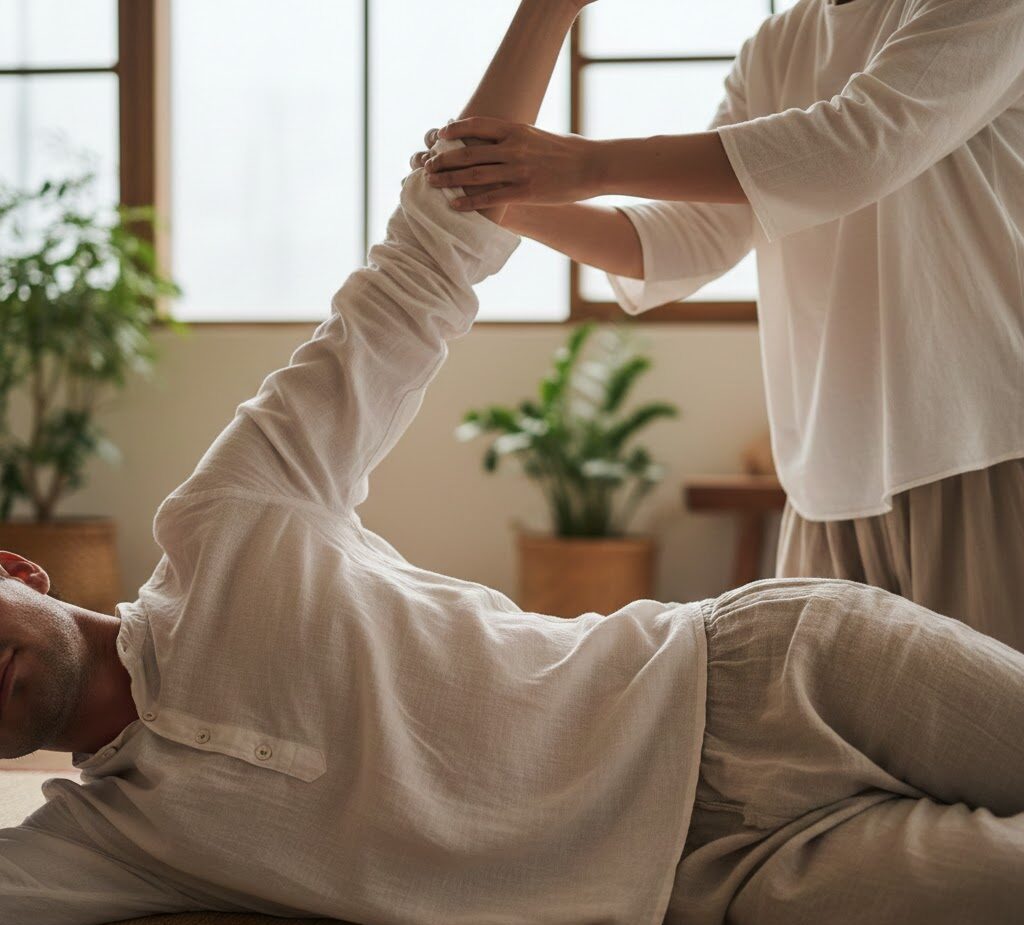
Thai massage is a hands-on therapy that combines rhythmic pressing, compression, and assisted stretching. Unlike many oils-and-table massages, Thai massage is often performed clothed on a mat or low bed. Imagine assisted yoga — the therapist guides your body through movements and applies targeted pressure to release tension.
Origins and tradition
Thai massage has roots in traditional Southeast Asian medicine and yoga, with influences from India, China, and indigenous Thai healing. It developed over centuries as a method to balance energy and improve physical function.
How Thai Massage Differs from Other Types of Massage
Floor-based vs. table-based
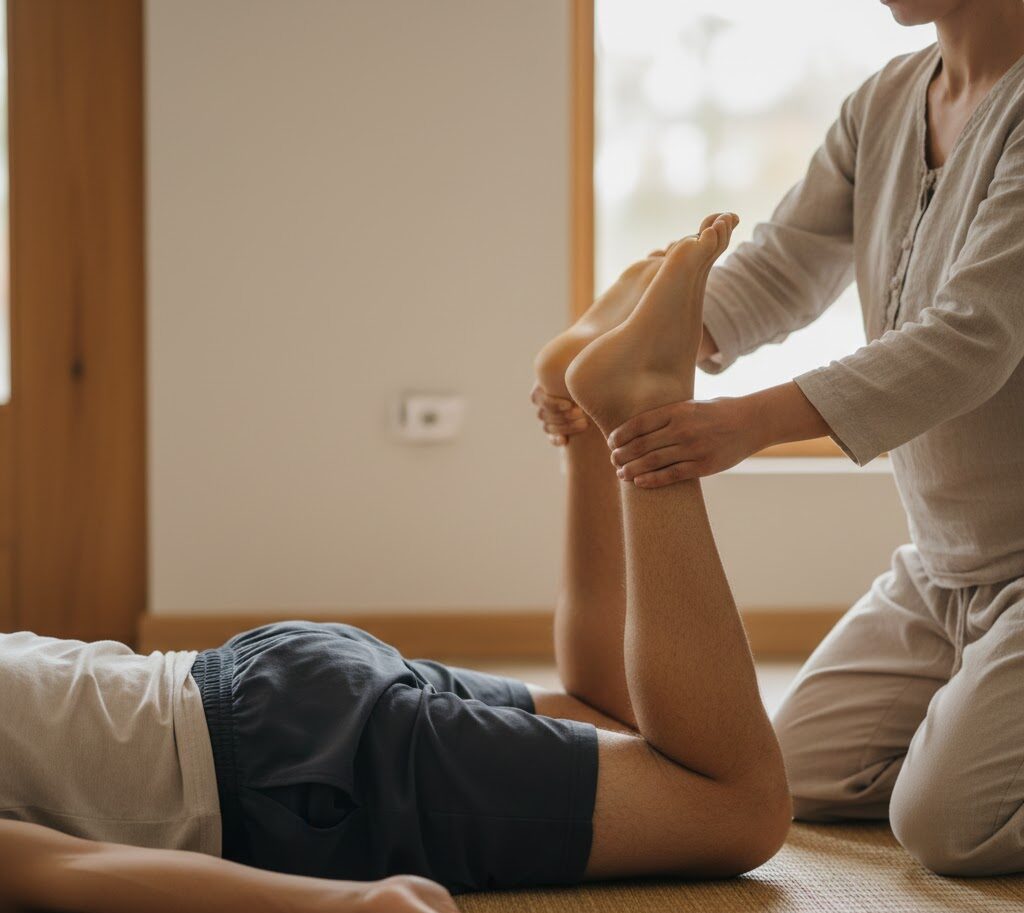
Traditional Thai massage often uses a floor mat. That lets the therapist use body weight and leverage in different ways. Many clinics blend floor and low-table techniques depending on the client’s needs.
Stretching and assisted movement
A Thai massage includes many guided stretches. These aren’t passive — you’ll be moved, extended, and gently rotated. It’s more dynamic than a typical Swedish massage.
Pressure style and rhythm
Therapists use palms, thumbs, forearms, elbows, and sometimes knees. There’s a steady rhythm: press-release, then move to the next area. It feels methodical — like tuning an instrument.
Why People Choose Thai Massage Crystal Palace
Physical benefits
People seek Thai massage for improved mobility, reduced muscle tightness, and better posture. It’s particularly helpful for hips, shoulders, and low-back stiffness.
Mental and emotional benefits
The methodical nature of Thai massage can promote relaxation and mindfulness. Many describe it as “grounding” — your body is guided into release while your mind slows down.
A gentle but effective therapy
For people who prefer less oil and more movement, Thai massage is a natural fit. If you’re in Crystal Palace and want a thorough, movement-focused session, Thai Massage Crystal Palace options may be suitable.
Who Should (and Shouldn’t) Try Thai Massage
Great candidates
- People with chronic tightness or limited range of motion.
- Athletes looking for mobility work.
- People seeking a calm, movement-based session rather than deep tissue oil massage.
When to be cautious
Thai massage involves stretches and pressure. If you have any of the following, talk to your doctor or therapist first:
- Recent fractures or joint replacement.
- Acute inflammation (red, hot, swollen areas).
- Uncontrolled hypertension or serious cardiovascular conditions.
- Deep vein thrombosis or recent blood clots.
- Pregnancy (specialized prenatal approaches exist — always disclose pregnancy).
If in doubt, disclose everything on your intake form.
Communication is safety
Never assume a therapist knows your limits. Tell them about surgeries, medications, recent injuries, and how certain areas feel. That single conversation can keep you safe.
What to Expect in Your First Session
The intake and consultation
When you arrive, the therapist will ask about health history, goals, and any problem areas. This is not small talk: it directs the session.
Clothing and modesty
Thai massage is usually done while clothed. Wear loose, comfortable clothing: a T-shirt and shorts or yoga pants work well. Avoid jeans or restrictive items.
The environment
The room is typically calm, with soft light and gentle music. The therapist will explain whether they will work on a mat or low bed.
Pressure and pain
Expect firm pressure at times. That said, “firm” is not “crushing.” A good therapist checks in and adjusts. Use an easy system: thumbs up/thumbs down or a simple “harder/softer” verbal cue.
Session flow and pacing
A typical Thai massage follows energetic lines and major muscle groups. Expect focused work on hips, legs, back, shoulders, and neck. The therapist alternates pressure, stretches, and release.
How to Prepare Before Your Appointment
Hydrate and eat lightly
Drink water before your session. Avoid a heavy meal right before — you’ll feel more comfortable if your stomach isn’t full.
Dress for movement
Loose, breathable clothing is best. Avoid tight belts, heavy jewelry, or anything that limits stretch.
Arrive a little early
Arriving 5–10 minutes early helps you fill forms and settle. No need to rush.
Set goals for the session
Think about one or two priorities: sleep, neck tension, shoulder pain, etc. Tell the therapist so they can tailor the session.
How Therapists Keep You Safe ?
Training and qualification
Reputable therapists complete recognized training in Thai massage techniques, anatomy, and contraindications. Ask about credentials if you’re unsure.
Hygiene and cleanliness
Clean linens, handwashing, and tidy spaces are standard. A clean room is a simple but strong safety signal.
In-session communication
Therapists should check in about pressure and comfort. If they don’t, speak up. You’re allowed to steer the session.
Questions to Ask Before Your First Thai Massage
About the therapist
- How long have you practiced Thai massage?
- What training or certifications do you have?
About the approach
- Will you use floor-based stretches or a low bed?
- How do you adapt for older clients or those with injuries?
About safety
- What are common side effects?
- What should I avoid after the massage?
Asking these questions shows you’re engaged in your care. That’s a good thing.
Aftercare: What to Do After Your First Thai Massage
Expect some soreness
It’s normal to feel mild achiness the next day, like after a workout. Hydrate, rest, and move gently.
Simple recovery steps
- Drink water for 24 hours.
- Use gentle stretching, not intense workouts.
- Take a warm shower to relax muscles.
When to contact a professional
If you experience sharp pain, numbness, swelling, or anything unusual, contact your therapist or healthcare provider promptly.
Common Myths and Misconceptions
Myth: Thai massage is always painful
Nope. It can be firm, but pain isn’t the goal. A skilled therapist seeks effective pressure without forcing injury.
Myth: It’s the same as deep tissue
Thai massage mixes stretching, rhythm, and compression. Deep tissue focuses on slow, direct work to layers of muscle. They can overlap, but they’re different.
Myth: Thai massage is sensual or erotic
Authentic Thai massage is therapeutic. Any inappropriate behavior is a red flag. Respectful, professional therapists maintain strict boundaries. If anything feels off, end the session.
How to Choose a Reputable Thai Massage Provider
Look for training and transparency
Professional clinics mention training, ongoing education, and clear intake processes. These are good signs.
Check the environment
Clean, quiet, and comfortable spaces suggest professionalism. Therapists who take time for intake and follow-up likely prioritize safety.
Trust signals beyond reviews
Reviews help, but also notice how a clinic talks about safety, techniques, and client care. An informational, not salesy, tone is reassuring.
How Often Should You Get Thai Massage?
The answer depends on your goals. For acute issues, weekly sessions for a short period may help. For maintenance, monthly or biweekly visits might be enough. Talk to your therapist about a plan tailored to your body and schedule.
What Makes a Good First Session at Elysia Wellness?
Patient-centered approach
At Elysia Wellness, therapists focus on listening first. They prioritize health history and set clear goals. That means your first session won’t be “one-size-fits-all.”
Clear communication and consent
Expect a calm discussion about pressure, previous injuries, and post-session care. Consent and comfort come first — that’s how safety is built.
Adaptations and options
Elysia Wellness tailors stretches and pressure to your comfort level. If you need gentler work, they adjust. If you’re flexible and want more intensity, therapists can safely increase firmness.
(Note: This paragraph is informational; it explains an approach without pressuring you to book.)
Practical Tips for Your First Thai Massage
Tell the truth on the intake form
It matters. Even a minor detail like a past knee surgery changes how stretches are done.
Start slow with pressure
Ask for moderate pressure at first. You can always increase it later.
Use breath to relax during stretches
Deep, steady breaths help muscles soften. Breath is like a key that unlocks stiffness.
Plan light activity for the rest of the day
Avoid intense workouts right after a session. Let your body integrate the work.
Red Flags to Watch For
- Therapist ignores your discomfort.
- Any suggestion of sexual behavior or unprofessional touch.
- Dirty linens or messy surroundings.
- Rushed intake or no health questions.
If you encounter these, stop the session and report the experience to the clinic management or regulatory body.
Final Checklist Before You Go In
- Wear loose clothing.
- Hydrate.
- List your goals and medical history.
- Decide your pressure preference.
- Plan gentle post-session activity.
This checklist is your quick, calming ritual. Use it like a pre-flight safety check.
Elysia Wellness Serving the Anerley Community and Beyond in Crystal Palace
Elysia Wellness is dedicated to supporting the diverse wellness needs of the Crystal Palace community, including residents from nearby neighbourhoods such as Anerley. Conveniently located close to well-known landmarks like South Norwood Lake and Ground, and near major intersections such as Maberley Rd and Anerley Park (coordinates: 51.412779257101846, -0.0659911486517767), we provide professional Thai Massage services designed to promote relaxation, mobility, and overall wellbeing.
Getting a Thai massage can be a powerful step toward improved mobility, reduced tension, and greater calm. If you’re searching for Thai Massage Crystal Palace, remember the essentials: communicate clearly, arrive prepared, and choose a trained, professional therapist. Your first session should feel safe, respectful, and tailored to your needs. Clinics like Elysia Wellness emphasize listening, personalization, and aftercare — all focused on helping you get the benefits without unnecessary risk. Treat your first Thai massage as an experiment in self-care: start gently, ask questions, and learn what your body responds to.
Elysia Wellness — Thai Massage in Anerley, Crystal Palace
Contact Information
Phone: +44 20 3916 6787
Email: admin@elysiawellness4me.com
Frequently Asked Questions (FAQs)
1. What should I wear to a Thai massage session?
Wear loose, comfortable clothing that allows movement — yoga pants, shorts, or a T-shirt. Avoid jeans or tight garments. Clean socks can be helpful if you’re chilly.
2. Will I feel sore after a Thai massage?
Mild soreness similar to after exercise is common, especially if you had tight muscles. It usually fades in 24–48 hours. Hydrate and rest; gentle movement helps.
3. How long does a typical Thai massage session last?
Sessions vary. Common lengths are 60 to 90 minutes. Your therapist can suggest a duration based on your needs.
4. Is Thai massage safe during pregnancy?
Pregnancy requires special care. Some therapists offer prenatal Thai massage with modifications. Always inform your therapist and get medical approval if your pregnancy has complications.
5. How do I know if the therapist is qualified?
Ask about training, certifications, and years of practice. A reputable therapist will welcome questions and explain their approach clearly.