Skip to content
Indian relaxing massage is more than just a physical therapy. It is a holistic approach that connects body, mind, and energy through structured touch, rhythmic movements, and therapeutic oils. Unlike purely mechanical massage techniques, it works on deeper physiological and emotional layers of the human system.
At its core, this practice is designed to restore balance. It helps the body release stored tension while encouraging the mind to enter a calmer and more stable state. Over time, it has become a widely respected wellness practice in global urban centers, including practices like Indian Relaxing Massage, where traditional methods meet modern lifestyle needs.
Historical Roots of Indian Massage Traditions
Indian massage traditions date back thousands of years and are closely linked with ancient healing systems. These techniques were originally developed not just for relaxation, but for maintaining long-term health and vitality.
Influence of Ayurveda on Massage Practices
Ayurveda plays a central role in shaping Indian massage philosophy. It views the body as a system of energies governed by doshas. Massage is used to balance these energies and support overall wellness.
Evolution into Modern Wellness Therapies
Over time, these traditional techniques evolved into structured wellness therapies used in spas and therapeutic centers worldwide. While the essence remains ancient, the application has adapted to modern stress-related conditions.
Understanding the Concept of Relaxation in Indian Massage
Relaxation in Indian massage is not just about feeling calm. It is a measurable physiological shift in how the body and mind function.
Physical Relaxation Mechanisms
When pressure and rhythmic strokes are applied, muscle fibers begin to loosen. This reduces stiffness and allows joints to move more freely.
Emotional and Mental Relaxation Pathways
The nervous system responds to touch by reducing stress signals. This helps slow down racing thoughts and emotional overwhelm.
Key Techniques Used in Indian Relaxing Massage
Indian massage techniques are highly structured and intentional, designed to influence both muscular and energetic systems.
Abhyanga (Oil Massage Techniques)
Abhyanga involves the use of warm oils applied in long, flowing strokes. It helps nourish the skin and deeply relax muscle tissues.
Marma Point Stimulation
Marma points are vital energy points in the body. Gentle stimulation of these areas helps release blocked energy and improve overall flow.
Rhythmic Stroke Patterns
The repetitive nature of strokes creates a calming effect on the nervous system, helping the body shift into a relaxed state.
Role of Warm Herbal Oils
Warm oils enhance absorption into tissues and improve circulation. They also provide a grounding sensory experience that supports emotional relaxation.
How It Impacts Muscular Relaxation
One of the most noticeable effects of Indian relaxing massage is deep muscular relief.
Muscle Tension Release Process
Muscles often hold tension due to stress or physical strain. Massage helps break down these tight areas, allowing fibers to relax naturally.
Improved Blood Circulation
As pressure is applied, blood flow increases to targeted areas. This supports oxygen delivery and faster tissue recovery.
Reduction of Lactic Acid Build-up
Physical activity can lead to lactic acid accumulation. Massage helps flush out these toxins, reducing soreness and stiffness.
Emotional Benefits of Indian Relaxing Massage
Beyond physical relief, emotional well-being is a key outcome of this practice.
The calming effects of Indian relaxing massage are closely connected to the body’s nervous system response. As touch stimulates pressure receptors and reduces stress hormone activity, the parasympathetic system becomes more active, helping the body shift into a state of rest and recovery.
Understanding how massage therapy influences the nervous system and promotes deep relaxation gives deeper insight into why this traditional practice supports not only muscular relief but also long-term emotional stability and mental calm.
Stress Hormone Regulation
Massage has been shown to reduce cortisol levels, which are responsible for stress responses in the body.
Nervous System Calming
The parasympathetic nervous system becomes more active during massage, helping the body enter a restful state.
Emotional Grounding and Stability
Regular sessions help individuals feel more emotionally balanced and less reactive to external stressors.
Connection Between Mind and Body Healing
Indian massage is rooted in the belief that the mind and body are deeply interconnected.
Neurochemical Responses
Touch therapy triggers the release of endorphins and serotonin, which improve mood and emotional stability.
Parasympathetic Activation
This system is responsible for rest and recovery. When activated, heart rate slows and breathing becomes deeper.
Role of Environment in Enhancing Relaxation
The surroundings in which massage is performed significantly impact its effectiveness.
Therapeutic Ambience and Sensory Influence
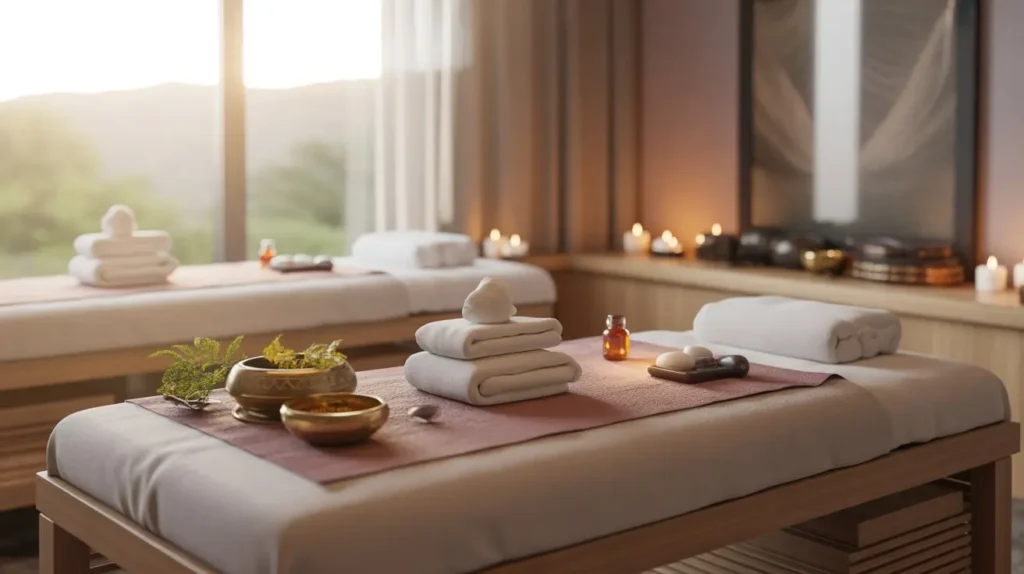
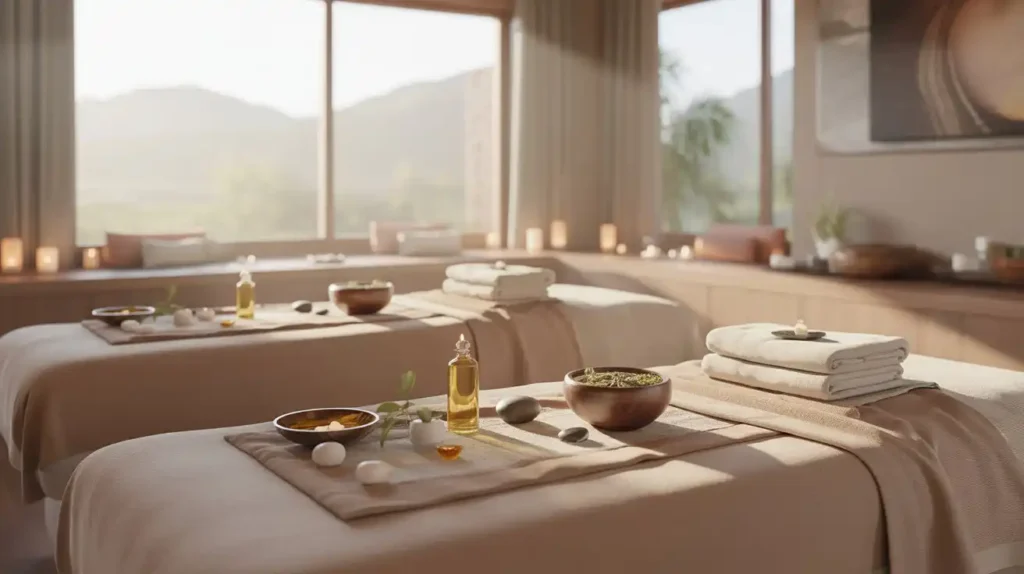
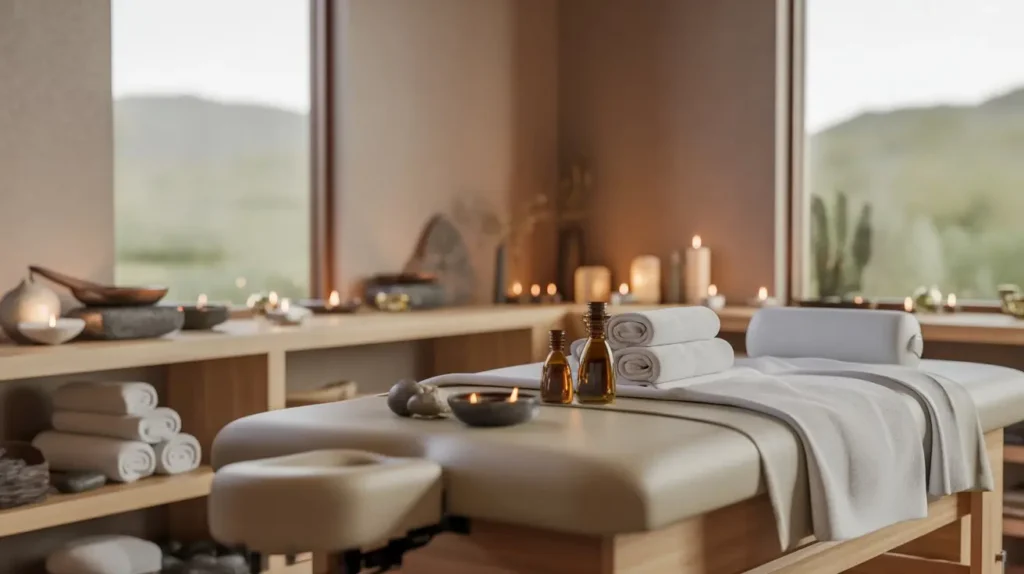
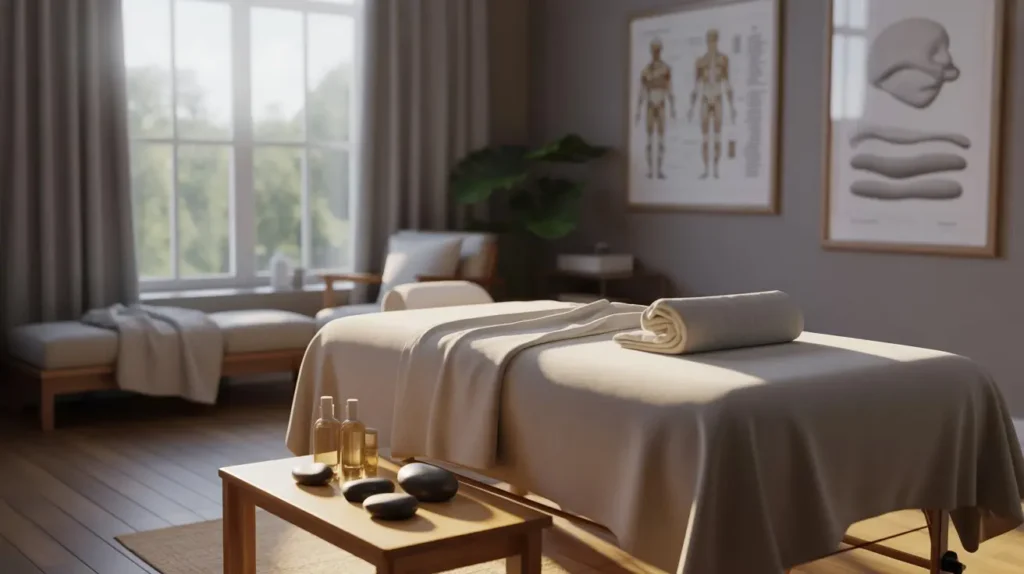
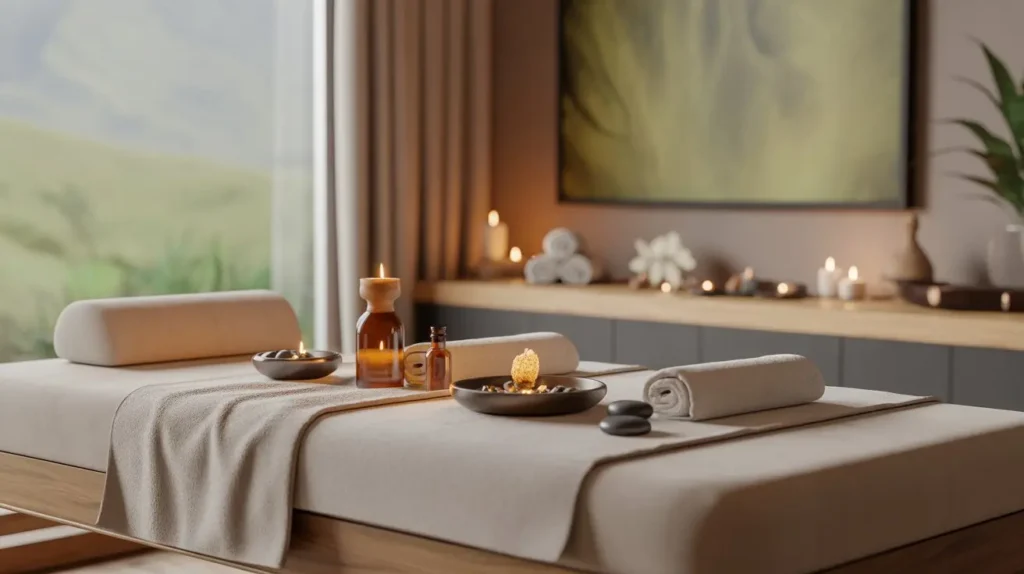
Soft lighting, calming scents, and quiet surroundings help enhance relaxation and deepen the therapeutic experience.
Modern Adaptations in Urban Wellness Settings
Indian massage has been adapted to suit modern urban lifestyles where stress levels are high and time is limited.
Indian Relaxing Massage in London Wellness Culture
In cities like London, this traditional practice is increasingly integrated into wellness routines. Services such as Indian Relaxing Massage Crystal Palace London reflect how ancient methods are being applied in contemporary environments.
Example of Elysia wellness Approach
Wellness-focused centers like Elysia wellness emphasize holistic relaxation techniques that combine traditional Indian massage principles with modern therapeutic understanding.
Why People Seek Indian Relaxing Massage Today
The demand for Indian relaxing massage has increased significantly in recent years.
Stress-Driven Lifestyle Factors
Modern life involves constant digital interaction, work pressure, and limited rest, making relaxation therapies essential.
Physical Strain from Modern Work Patterns
Long hours of sitting and repetitive tasks lead to muscular imbalance, which massage helps correct.
What to Expect During a Session
Understanding the process helps reduce uncertainty and improves relaxation outcomes.
Preparation and Initial Assessment
A session usually begins with a brief discussion about physical tension and emotional state.
Flow of a Typical Massage Session
The therapist applies oil and begins with gentle strokes, gradually increasing depth and focus depending on muscle condition.
Elysia Wellness Serving the Upper Norwood Community and Beyond in London
Elysia Wellness is dedicated to serving the diverse needs of the local community of London, including individuals residing in neighborhood like Upper Norwood. With its convenient location near landmarks such as the Jubilee Gardens and major intersections like Westow Hill and Jasper Rd (coordinates: Latitude: 51.4186947, Longitude: -0.0746039), we offer Full Body Massage services.
Get Full Body Massage Services at Upper Norwood Now
Call Us or Contact Us +44 20 3916 6787
Navigate from Upper Norwood to Elysia Wellness Now
Indian relaxing massage is a deeply rooted therapeutic practice that supports both muscular recovery and emotional balance. It works through a combination of physical touch, energy stimulation, and nervous system regulation. In today’s fast-paced environment, it offers a structured way to reconnect with the body and restore inner calm. Whether experienced in traditional settings or modern wellness environments such as Elysia wellness, its benefits remain consistent: relaxation, restoration, and holistic well-being.
Frequently Asked Questions
1. What makes Indian relaxing massage different from other massage types?
It focuses on both physical muscles and energy pathways, offering a more holistic relaxation experience.
2. Does Indian relaxing massage help with stress and anxiety?
Yes, it helps reduce stress hormones and promotes nervous system calmness.
3. How often should someone get this massage?
Frequency depends on lifestyle, but regular sessions provide better long-term benefits.
4. Is oil necessary in Indian relaxing massage?
Yes, warm oils are traditionally used to enhance relaxation and nourish tissues.
5. Can it help with chronic muscle pain?
It may help reduce muscle tension and improve circulation, which can support pain relief over time.