Skip to content
Sleep can feel like a fragile guest. Some nights it arrives early and stays. Other nights it slips out the back door. If this sounds familiar, you’re not alone. Modern life stacks stress, screens, and hurry on top of our natural sleep rhythm. That’s where a gentle, structured practice like Indian Head Massage comes in. It’s not a magic pill. But used right, it’s a powerful nudge toward deeper, calmer sleep.
This article explains how Indian Head Massage helps your brain and body prepare for rest. We’ll cover the technique, the science, who benefits, safety, and even a short do-it-yourself routine you can use before bed. I’ll mention real examples and practical tips. The main keyword here—Indian head Massage Crystal Palace—points to a local context where many people look for this service. Elysia Wellness is included as an example of a provider that blends traditional technique with modern sensibility. The focus is informational and useful, not salesy.
Why sleep matters and why this matters to you?
Good sleep is an engine. It powers mood, thinking, immunity, and recovery. Poor sleep makes everything harder. You may feel foggy, irritable, or physically tense. Imagine a night when your body is a car with a clogged fuel line: it sputters, stalls, and underperforms. Sleep repairs that fuel line.
Indian Head Massage helps by clearing physical and mental tension that keeps sleep at bay. It’s calming in a way that combines touch, rhythm, and mindful focus—like coaxing a humming engine to idle smoothly.
What is Indian Head Massage? (Quick overview)
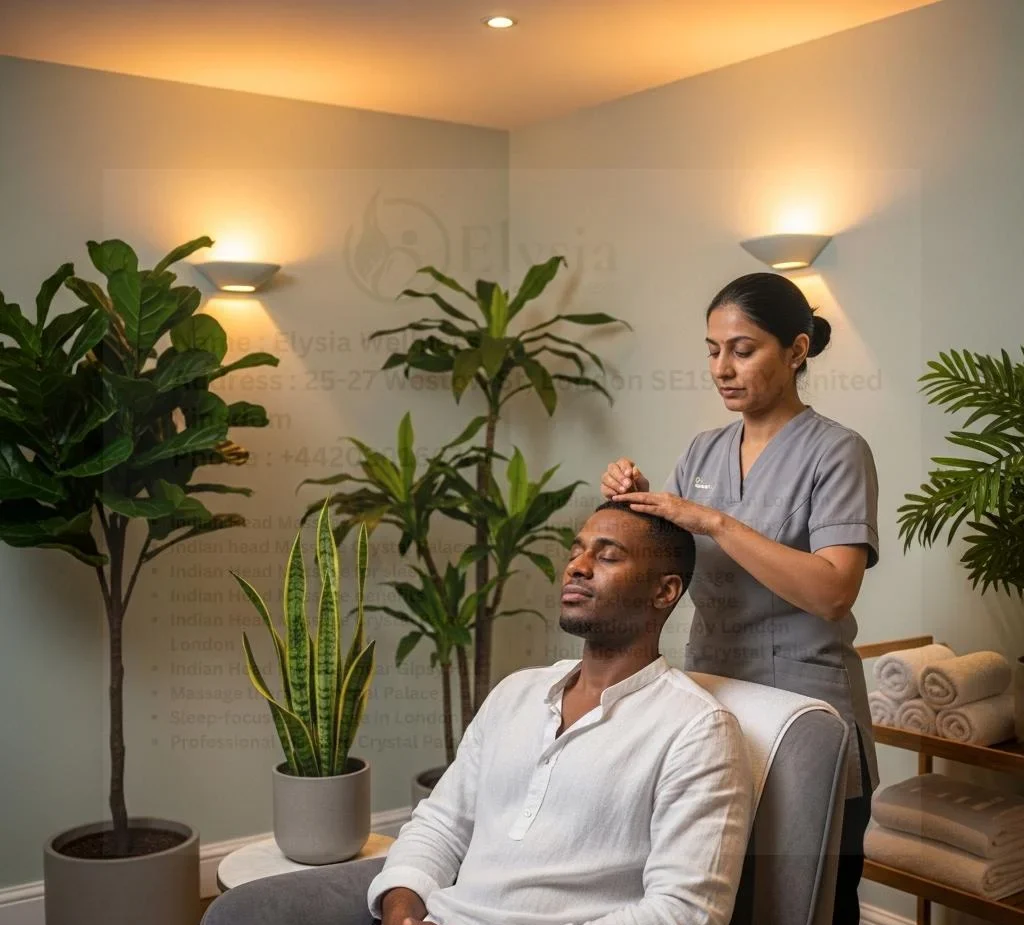
Indian Head Massage is a form of therapeutic touch that targets the head, neck, shoulders, upper back, and face. It draws on ancient Ayurvedic traditions but adapts techniques to contemporary settings. The work is typically done seated, fully clothed, and uses rhythmic strokes, gentle kneading, and focused pressure.
Origins and history in brief
The practice traces back to traditional Indian medicine—Ayurveda—and head-focused rituals used for centuries to balance the mind and nervous system. Practitioners combined scalp work, oils, and pressure techniques to relieve tension and stimulate circulation. Today’s therapists keep the essence but often work in shorter, clinic-friendly sessions.
Key techniques and what a therapist does
A typical session includes:
- Scalp rubbing and long, sweeping strokes.
- Circular motions at the base of the skull.
- Light acupressure on points around the temples and forehead.
- Neck and shoulder kneading to release knots.
- Gentle face and jaw work to ease tension.
Think of the head as a control room. When the wiring (tension, poor blood flow, stress) is eased, the whole building runs smoother.
How sleep works — a short primer ?
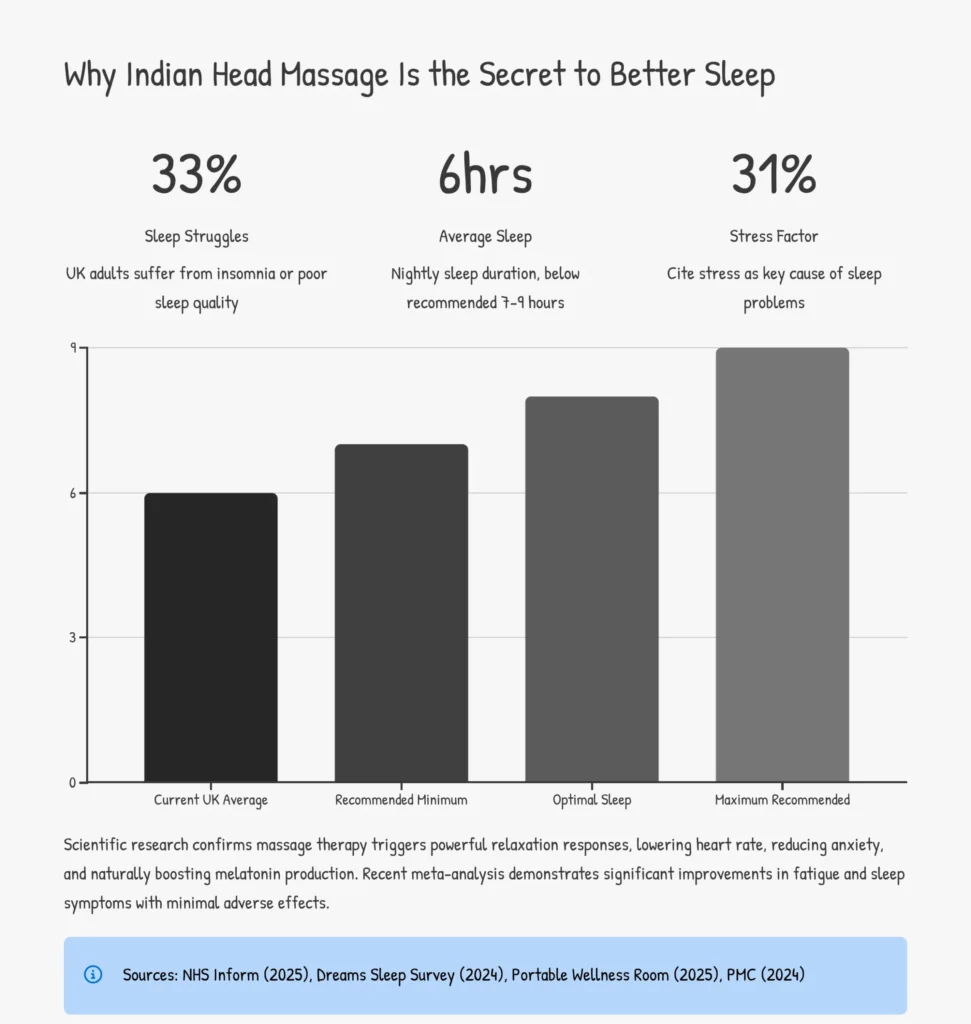
Why does touch help sleep? To understand that, we must look at how sleep is regulated.
Sleep is controlled by two systems: the circadian rhythm and sleep pressure. The circadian rhythm is your internal clock; it tells you when to be awake and when to feel sleepy. Sleep pressure builds the longer you are awake—it’s your body’s growing desire to rest.
Circadian rhythm and sleep stages
Sleep isn’t one state. It cycles through light sleep, deep sleep (slow-wave sleep), and REM sleep. Deep sleep is where physical repair happens; REM is where emotional processing and dreaming occur. Anything that lowers stress and calms the nervous system makes it easier to enter deep sleep
How Indian Head Massage helps sleep (the mechanisms) ?
What actually happens during and after a session? Here are the main ways touch nudges your body toward sleep.
Nervous system reset: the vagus nerve and parasympathetic activation
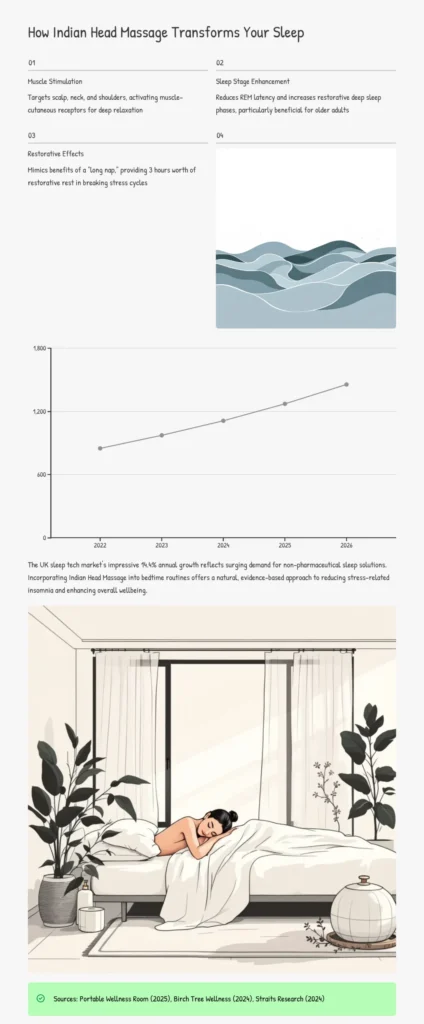
Massage stimulates the parasympathetic nervous system — the “rest and digest” side. It lowers heart rate and slows breathing. The vagus nerve plays a big role here. Gentle head and neck work can indirectly stimulate vagal activity, producing feelings of calm and readiness for sleep. It’s like switching from highway mode to a quiet country road.
Hormones and chemicals: cortisol, melatonin, and serotonin
Stress raises cortisol and keeps the brain alert. Relaxing touch tends to lower cortisol. At the same time, calm and rhythmic stimulation can encourage serotonin pathways, which are tied to mood and sleep regulation. Serotonin is a precursor to melatonin—the hormone that signals “time to sleep.” So, massage can help rebalance the hormonal cues that regulate sleep.
Techniques targeted specifically at sleep
Not all massage strokes are equal when it comes to sleep. Some techniques are particularly suited to calming the nervous system.
Scalp strokes and rhythmic movement
Long, slow strokes across the scalp are like a lullaby. They create a steady rhythm that the nervous system can follow. Rhythm matters: predictable, gentle strokes tell the brain that there’s no immediate danger.
Pressure points and acupressure on the head
There are classic points near the temples, behind the ears, and at the base of the skull that respond well to gentle pressure. Applying slow, steady pressure for a few seconds and releasing can produce a pleasant release of tension—think of unclenching a tight fist.
Neck and shoulder release for physical tension
Many people carry daytime tension in the trapezius and neck. That tightness can send constant “alert” signals to the brain. Releasing those muscles reduces sensory noise and helps the body settle.
What to expect from a sleep-focused session?
If your goal is better sleep, here’s what a session will generally look like.
Pre-session consultation and tailoring
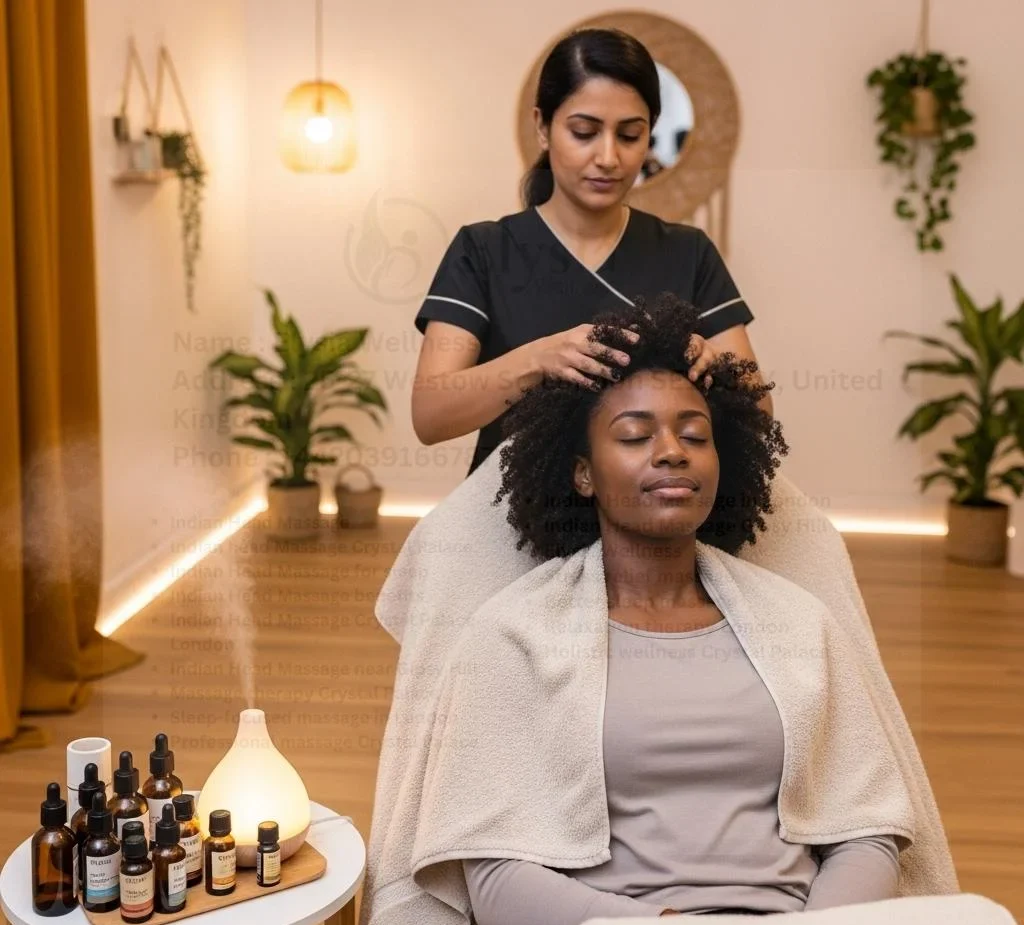
A good therapist will ask about your sleep patterns, stressors, and medical history. They’ll adapt pressure and techniques to your needs. Expect a calm, quiet environment with comfortable seating.
Environment, timing, and aftercare
Timing matters. An evening session, scheduled a few hours before bed, often works best. After a session you might feel deeply relaxed or slightly sleepy. Light hydration and avoiding screens help maintain the effect. A warm shower or low-light reading can keep the momentum toward sleep.
How often should you get it for sleep benefits?
Frequency depends on your situation. For chronic insomnia or high stress, weekly sessions for a few weeks can create a pattern. For maintenance, bi-weekly or monthly sessions can help. Even a regular short boost—say once every one to two weeks—can be effective.
Think of it like tuning an instrument. At first you need frequent tuning; later, occasional checks are enough.
Who benefits most? (Conditions and people)
Indian Head Massage can help a wide range of people, but it’s especially useful for:
- People with tension-related insomnia.
- Shift workers trying to reset sleep patterns.
- Those with stress-related headaches or jaw tension.
- People who have trouble “switching off” at night.
If stress or tight muscles are part of your sleep problem, the technique is likely to help.
Safety, contraindications, and when to seek medical advice
While generally safe, there are important precautions. Don’t use head massage as a substitute for medical care when the issue is complex or dangerous.
Common cautions:
- Avoid deep pressure on inflamed skin, recent injuries, or open wounds.
- People with high blood pressure, bleeding disorders, or certain heart conditions should consult a doctor first.
- If you feel dizziness, severe pain, or blurred vision, stop and seek medical advice.
Always tell your therapist about medications, recent surgeries, and any neurological symptoms.
A simple DIY Indian Head Massage routine for bedtime
You don’t need to visit a clinic every night. A short, focused DIY routine can help you unwind.
Step-by-step mini routine (5–8 minutes)
- Set the scene. Dim the lights. Sit comfortably. Breathe slowly three times.
- Neck roll. Tilt your head gently side to side, unfurling the neck like a loose scarf. (30 seconds)
- Shoulder squeeze. Use both hands to knead the top of your shoulders in slow, small presses. (60 seconds)
- Base-of-skull circles. Place fingertips at the base of the skull and make small, clockwise circles. Hold gentle pressure for 2–3 seconds then release. (60–90 seconds)
- Scalp strokes. With cupped hands, run your hands from front hairline to back and back again, like smoothing waves. Repeat 6–8 times.
- Temple pressure. Use index and middle fingers on each temple. Press gently in a circular motion for 30 seconds.
- Jaw release. Use thumbs to slide along the jawline, from chin toward ears. (30–45 seconds)
- Finish with breath. Breathe in for 4, out for 6. Close your eyes and notice calm. (60 seconds)
Tools, oils, and posture
You can use a small amount of light oil (almond, coconut, or jojoba) if your scalp tolerates it. Keep movements slow and rhythmic. Sit tall but relaxed. The goal is gentle, not forceful.
Pairing with sleep hygiene and other therapies
Massage is most effective when combined with good sleep habits. Try:
- A consistent bedtime and wake time.
- Reducing screen time an hour before bed.
- Keeping your bedroom cool and dark.
- Light stretching or a warm shower before bed.
- Mindfulness or breathing exercises after massage.
Think of massage as a booster in a toolbox. It helps, but it works best with other tools.
Evidence and research — what science says
Clinical studies on massage and sleep consistently show benefits for relaxation, reduced stress, and improved sleep quality. Many studies focus on general massage; head-focused work shows promise for tension reduction and subjective sleep improvement.
Here’s how the evidence stacks up:
- Short-term reductions in perceived stress and anxiety are common.
- Improvements in sleep quality scores are often reported in trials.
- Physiological markers such as lowered heart rate and reduced cortisol have been observed after massage.
Science is still growing. More targeted, large-scale studies specifically on Indian Head Massage and sleep would strengthen conclusions. However, the current evidence supports the idea that calming, rhythmic touch can be a helpful component of a sleep plan.
Real-life examples and short case notes
Here are condensed, anonymous snapshots of how people benefit:
- Case A: A nurse working night shifts used weekly sessions for six weeks. She reported easier sleep during daytime naps and felt less wired after shifts.
- Case B: Someone with tension headaches found that temple and base-of-skull work reduced headache frequency and made falling asleep faster.
- Case C: A busy parent used the DIY routine nightly and noticed a decrease in middle-of-night wake-ups after two weeks.
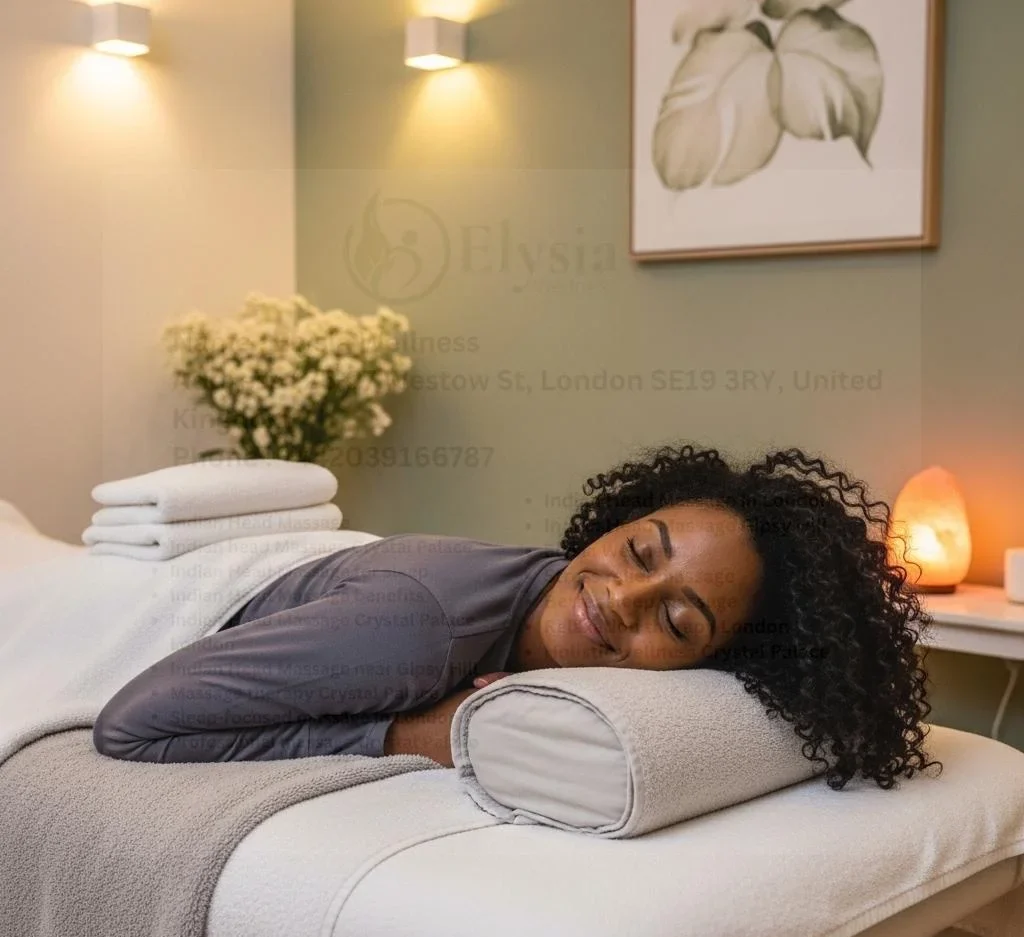
These aren’t controlled studies, but they reflect common outcomes: less tension, lower stress, and smoother transitions to sleep.
Choosing a therapist and what to ask
Picking the right therapist matters. You want someone who listens and tailors sessions to your sleep goals.
Credentials, experience, and session focus
Ask about:
- Training in Indian Head Massage or related modalities.
- Experience working with sleep issues.
- Whether they adapt pressure for sensitivity and medical conditions.
If you live near Crystal Palace and are researching local options, the phrase Indian head Massage Crystal Palace helps you find therapists who specialise locally. Elysia Wellness is one local example that frames traditional technique within a contemporary wellness approach—useful information when you’re comparing therapists. Remember: the right fit is personal. Comfort and clear communication are essential.
Common myths and misconceptions
Let’s clear up a few myths.
- Myth: Indian Head Massage is only about hair.
Fact: It’s mainly about nervous system and muscular relaxation; hair benefits are secondary. - Myth: It’s painful to be effective.
Fact: Effective sleep-focused massage is gentle and rhythmic, not painful. - Myth: One session fixes long-term insomnia.
Fact: A single session can help, but regular sessions plus sleep hygiene produce lasting change.
Indian Head Massage is not a miracle cure for every sleep problem. But it’s a powerful, low-risk tool that helps reduce the tension and stress that often block restful sleep. It works by calming the nervous system, reducing stress hormones, and encouraging the body to switch into a restorative mode. Whether you try a professional session or a short DIY routine at home, regular, gentle head and neck work can help you fall asleep faster and enjoy deeper rest.
If you value a practical, gentle method that complements other healthy sleep habits, Indian Head Massage is worth a place in your routine. For those searching locally, terms like Indian head Massage Crystal Palace will surface local practitioners and clinics; Elysia Wellness is one example of a practice that blends tradition with modern needs. Use this information to make an informed choice and integrate massage into a broader approach to better sleep.
Elysia Wellness – Serving the Gipsy Hill Community and Beyond in Crystal Palace
At Elysia Wellness, we are proud to serve the diverse community of Crystal Palace, including nearby neighborhoods such as Gipsy Hill. Our clinic is conveniently located near local landmarks like the Westow House Pub & Hotel and close to key intersections including Ovett Close and Carberry Road (coordinates: 51.41859431020341, -0.08291066062729859).
We specialize in offering therapeutic treatments such as Indian Head Massage, designed to reduce stress, ease tension, and promote better sleep. Whether you’re a local resident in Gipsy Hill or visiting the wider Crystal Palace area, our team at Elysia Wellness provides a welcoming space for relaxation and holistic care.
Get Indian Head Massage Services at Gipsy Hill Today
Looking for a natural way to release tension, calm your mind, and enjoy better sleep? At Elysia Wellness, we provide expert Indian Head Massage services for the Gipsy Hill and Crystal Palace community.
📞 Call us now at +44 203 916 6787
📧 Email us at elysiawellness4me@gmail.com
Book your session today and experience the soothing benefits of Indian Head Massage close to home.
FAQs
Q1: How soon after an Indian Head Massage will I notice better sleep?
A1: Many people feel calmer immediately and fall asleep sooner that night. For chronic sleep issues, consistent sessions over several weeks often give clearer, longer-lasting results.
Q2: Can I do Indian Head Massage if I have a headache or migraine?
A2: Gentle scalp and neck work can relieve tension headaches. For migraines, proceed cautiously—some people feel relief, others may prefer to avoid intense pressure during an active attack. Consult a healthcare professional if migraines are severe or frequent.
Q3: Is it safe to use oils on my scalp every night?
A3: Light oils used sparingly are generally safe. Avoid heavy overnight oils if you have oily skin or scalp conditions. Patch-test new oils to check for sensitivity.
Q4: Will Indian Head Massage help if my sleep problem is caused by anxiety?
A4: Yes, it often helps reduce physiological symptoms of anxiety (tight muscles, racing heart). Paired with cognitive or psychological approaches, it can form part of an effective strategy.
Q5: How do I find a qualified practitioner using local search terms?
A5: Use targeted terms like Indian head Massage Crystal Palace alongside questions about training, experience with sleep issues, and whether they customize sessions. Look for clear communication and an emphasis on gentle, restorative work.